Oura Eyes $16 Billion Valuation in Upcoming September IPO
Oura Plans Major IPO Valuation and Fundraising
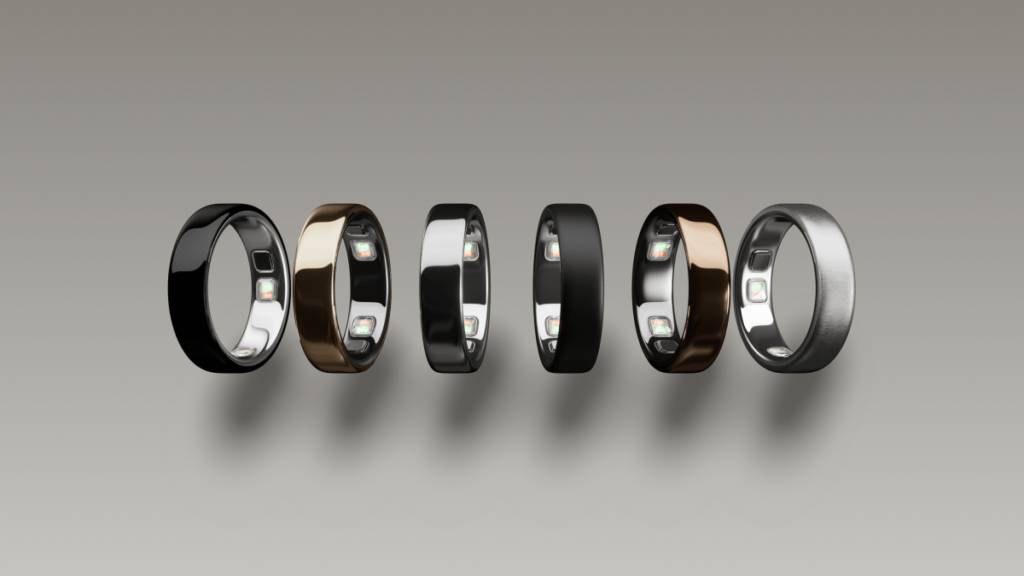
Oura, the company behind the popular smart ring, with offices in San Francisco and Finland, is reportedly preparing for an initial public offering (IPO) scheduled for September. The company aims to raise up to $3 billion in the U.S. market, which could value the firm at more than $16 billion. Oura, which employs over 900 people, has not officially confirmed these plans, but Bloomberg reports that investors are expected to sell a significant portion of their shares during the offering.
Oura Responds to Market Speculation
Oura told TechCrunch that it cannot comment on the rumors regarding its IPO plans at this time.
Valuation Growth and Investment Backing
A valuation exceeding $16 billion would represent a substantial increase from the $10.9 billion valuation assigned to Oura last September. At that time, the company closed an $875 million Series E funding round led by Fidelity, ICONIQ, Whale Rock, and Atreides. Earlier investors included Dexcom, The Chernin Group, Forerunner Ventures, Coatue, and Temasek.
Competitive Landscape in Wearables
The wearable technology market has become increasingly crowded. For instance, Samsung launched its Galaxy Ring two years ago. However, Oura’s closest competitor might be Whoop, a fitness band manufacturer that has recently diversified its offerings. Originally targeted at elite athletes and young men, Whoop has expanded its focus over the past year to include hormone tracking and blood panel tests related to perimenopause and thyroid health. This strategic move contributed to its valuation rising to $10 billion as of March. Oura has also shifted from its initial niche of biohacking-focused users—primarily CEOs—toward becoming a broader sleep and recovery brand.
Recent Developments and Financial Outlook
In May, Oura announced that it had filed confidentially for an IPO. The company reported revenues of approximately $500 million in 2024, projected around $1 billion in 2025, and expects to reach nearly $2 billion in revenue in 2026, according to statements made by the CEO. More detailed financial information will be available once the company’s S-1 registration statement is publicly filed and accessible.
Legal Challenges and Consumer Claims
Not all recent news about Oura has been positive. Last week, a class action lawsuit was filed in San Francisco accusing the company of misleading consumers regarding the accuracy of its sleep tracking features. The lawsuit alleges that Oura claims its device can measure heart rate and temperature, as well as determine the exact sleep stage of the user—an assertion that critics argue requires clinical-grade electrodes and sensors typically found only in hospitals or specialized medical environments. The complaint questions the company’s claim to provide precise sleep data without such medical-grade equipment.
Oura Responds to Legal Allegations
In response to the lawsuit, a company spokesperson told TechCrunch over the weekend that Oura intends to defend itself in the appropriate legal forums. The spokesperson stated, “While Oura Ring is not a medical device or a substitute for clinical sleep studies, our sleep staging has been validated and compared favorably against polysomnography, the gold standard in sleep analysis, in multiple studies.” The statement further emphasized that “several third-party independent studies support our claims of accuracy, and we have transparently reported on the mechanisms and metrics used in Oura’s sleep staging.”