Oura Faces Lawsuit Over Sleep-Tracking Accuracy Claims
Oura Faces Lawsuit Over Sleep-Tracking Accuracy Claims
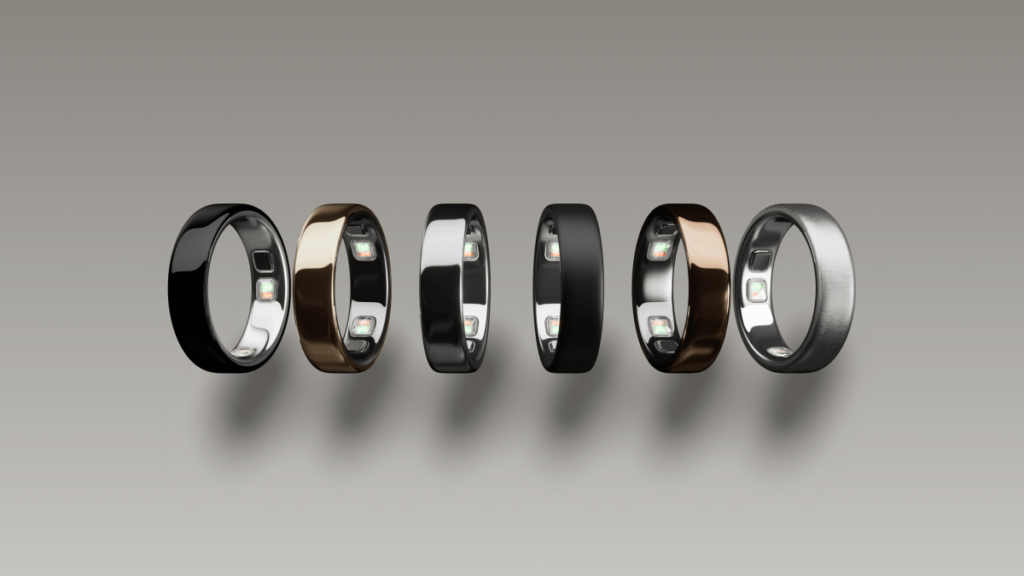
A class action lawsuit has been filed against Oura, the maker of popular smart rings, accusing the company of misleading consumers about the precision of its sleep-tracking features. The lawsuit, initiated on Thursday by Clarkson Law Firm in San Francisco, claims that Oura rings do not accurately measure physiological signals necessary for assessing sleep quality or determining sleep stages, relying instead on AI-generated estimates that are fundamentally unreliable.
Details of the Lawsuit and Allegations
According to the complaint, the lawsuit alleges that Oura rings are incapable of measuring essential physiological signals needed to accurately analyze sleep or identify sleep stages. Instead, the device’s sleep data is based on artificial intelligence estimates that, as described in the lawsuit, have “a coin flip’s chance of being correct,” referencing the document the complaint.
Consumer Complaints and Public Skepticism
The lawsuit follows years of user complaints online, where consumers have expressed frustration with the sleep measurement accuracy of Oura rings. Many users report feeling they had poor sleep, yet the device indicated they slept well, raising doubts about the reliability of the data. Some users have even questioned the device’s ability to monitor and detect different sleep cycles, sharing their concerns on platforms like Reddit, such as here and here.
Claims of Overstated Capabilities
The complaint states that Oura marketed its rings as capable of tracking sleep stages with hospital-like precision. It alleges that Oura advertised the rings as able to see what only a clinical sleep lab can detect, including all four stages of sleep, implying that the device could measure physiological signals typically requiring electrodes on the scalp and sensors on the eyes. The lawsuit claims that this is misleading, as such detailed sleep analysis is only achievable in medical settings.
Marketing vs. Reality
Despite these claims, the lawsuit asserts that Oura promoted its rings as “built for accuracy” and claimed they provided “unparalleled precision.” The complaint notes that Oura previously stated its devices could achieve 79% accuracy in sleep measurement and more recently claimed a 95% accuracy rate in sleep staging compared to clinical sleep laboratories. However, the lawsuit contends that the company cannot genuinely measure sleep or sleep cycles because “sleep happens in the brain, not on one’s finger,” highlighting the fundamental scientific limitations.
Legal and Consumer Rights Concerns
Ryan Clarkson, co-founder and managing partner at Clarkson Law Firm, emphasized the importance of truthful marketing, stating, “When people rely on a device to make health decisions, misinformation cannot be tolerated. Oura users trust that the data displayed reflects reality. People structure their lives around these figures, and marketing an inaccurate sleep tracker as precise and reliable is dangerous because it leads to behavioral changes based on false information.”
Legal Actions and Company Response
The lawsuit demands that Oura cease its deceptive marketing practices by stopping false advertising of its products’ capabilities. It also seeks injunctive relief to prevent further misrepresentation and restitution for consumers who purchased the devices based on what the lawsuit describes as false claims.
Following the publication of this story, an Oura spokesperson issued a statement defending the company’s claims: “We stand behind our science, research, and accuracy claims. Like other consumer sleep wearables, Oura Ring estimates sleep stages using multiple physiological signals, including heart rate, heart rate variability, movement, breathing patterns, and temperature. There is well-documented, peer-reviewed independent scientific evidence that sleep stages are associated with distinct, measurable, reproducible physiological changes, which is why these signals are reliably used to classify sleep stages.”
The statement continued, “While Oura Ring is not a medical device or a substitute for a clinical sleep study, Oura’s sleep staging has been validated in multiple studies against polysomnography, the gold standard. Multiple independent third-party studies support our accuracy claims, and we have transparently reported on the mechanisms and measures informing Oura’s sleep staging.”
The company concluded by asserting that it disputes the allegations and intends to defend itself in the appropriate legal forum.