Meta Unveils New Smart Glasses at Connect Event

At Meta Connect this year, the company’s smart glasses were a dominant presence, highlighting Meta’s strong focus on expanding its wearable technology lineup.
Throughout the annual event, Meta’s smart glasses were visible everywhere, with both company representatives and numerous influencers seen wearing them. Most demonstrations provided by Meta involved showcasing these devices, emphasizing their role in the company’s latest hardware and AI innovations.
I joined the crowd trying on various pairs of Meta’s advanced smart glasses, experiencing firsthand the latest models.
One of the most notable products I tested was Meta’s new, yet-to-be-released, audio-only smart glasses. News about these glasses surfaced shortly after Meta faced criticism for its camera-equipped models, which critics claimed could be used for invasive surveillance, leading to allegations of the glasses being “pervert glasses.”
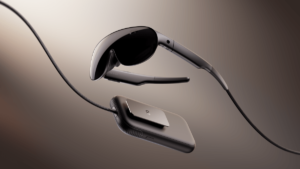
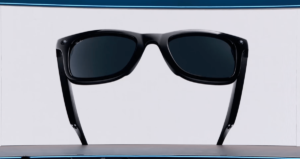
These new glasses feature six microphones but lack a camera, and they do not have any native recording capabilities, which significantly alleviates privacy concerns. They are also considerably lighter than previous Meta smart glasses I have worn, providing a comfortable fit for extended use.
A Meta staff member highlighted the device’s entertainment and communication functions: users can listen to music more comfortably than with earbuds and make phone calls without needing to reach for their smartphones.
Additionally, the glasses will integrate with Muse, Meta’s personal AI assistant system, enabling users to perform tasks through voice commands. This upcoming feature, not yet available to the public, allows wearers to speak to Muse and issue commands verbally. Meta intends to personalize this experience further by offering a selection of digital avatars that can represent the assistant during interactions.
I had the chance to test this integration, which was both amusing and somewhat challenging. Precise communication with the AI is necessary, and multitasking can cause confusion, as I experienced when talking to a Meta staffer while speaking to Muse, which led to the assistant misinterpreting my speech.
Despite these initial hurdles, it’s easy to see how this feature could be highly useful in everyday scenarios. If you’re comfortable talking openly to your sunglasses in public, you could ask Muse to handle various digital tasks such as sending emails or managing your to-do list while grocery shopping or enjoying a drink. The glasses can also answer questions, functioning similarly to a mobile version of ChatGPT; for instance, I asked about World War II, and the device provided a concise, accurate historical response.
I also tried a second pair of audio-only glasses designed specifically for the hearing impaired. Considering that approximately 50 million Americans experience some degree of hearing loss, this device offers a practical and meaningful application of wearable technology.

A member of Meta’s research team explained that development of these glasses took roughly five years. He also pointed out a significant price advantage: while many hearing aids can cost up to $1,600, these glasses are expected to retail for around $150, making them more accessible.
Wearing the glasses involved a brief test where I used earplugs to simulate hearing loss. Once on, the device appeared to amplify the voice of the person I was talking to. Users can switch between focused amplification, which isolates the voice directly in front, and omnidirectional mode, which picks up sound from all directions, depending on their needs.
Meta CEO Mark Zuckerberg has been vocal about his belief that smart glasses are the future of wearable technology. The company’s efforts demonstrate a comprehensive approach, aiming to make these devices both stylish and functional while emphasizing their practical usefulness. However, smart glasses are still a niche market that has yet to fully mature.
At Connect, it was clear that Meta is making a broad effort to succeed where others have struggled, attempting to develop glasses that are not only technologically advanced but also appealing and highly functional.
Is this the future of wearable tech? Most attendees at Connect seemed to think so. Only time will tell whether the rest of the world adopts this vision.
FONTE:
Título: At Meta Connect, the company’s smart glasses were everywhere
Conteúdo:
If there was one thing that was obvious from Meta Connect this year, it’s that the social media giant is all-in on its burgeoning line of smart glasses.
Indeed, the glasses were pretty much everywhere at the annual event, where Meta shows off its newest hardware and AI products. Both Meta staff and the flocks of influencers who frequent the event seemed to arrive with the glasses glued to their faces. Most of the demos the company offered this week also involved the glasses.
I swiftly joined the bespectacled masses and found myself trying on pair after pair of Meta’s high-tech specs.
One of the more notable products I had an opportunity to demo were Meta’s new, still-unreleased, audio-only smart glasses. News of these glasses emerged not long after the company weathered accusations that it was selling “pervert glasses,” with critics alleging that its camera-equipped specs could be used for nefarious surveillance purposes.
The new glasses come equipped with six microphones, but no camera, and they have no native way to record your surroundings, which should go a long way toward easing privacy concerns. They are significantly lighter than any of the other smart glasses I’ve worn, and they were quite comfortable.
The Meta staffer I talked to emphasized the glasses’ entertainment and communication options: You can listen to music easily (they’re more comfortable than earbuds) and take phone calls without reaching for your phone.
The glasses will also integrate with Muse, Meta’s personal agentic system, which can carry out tasks on the user’s behalf. The new integration, which isn’t yet available to the public, lets wearers speak to Muse and give it commands verbally. Meta also plans to personalize the agent, letting users pick from an assortment of cute digital avatars that can represent the agent when it communicates with them.
var playerInstance_jwplayer_6ab977d5ddf72 = jwplayer( “jwplayer_6ab977d5ddf72” );
playerInstance_jwplayer_6ab977d5ddf72.setup({
playlist: “https://cdn.jwplayer.com/v2/media/a8tjvHHQ”,
});
I was given an opportunity to try this out, which was fun but also somewhat comical. You have to be very direct with the agent, and you can’t talk to anyone else at the same time or it will get confused. Problematically, I kept chatting intermittently with the Meta staffer who’d given me the glasses, and the agent kept thinking I was speaking to it, so it would talk over her.
Still, in the right context, it’s easy to see how this new integration could be incredibly useful. If you don’t mind being seen in public talking to your own sunglasses, you’ll be able to ask Muse to take care of various digital tasks for you, like sending emails or reciting to-do lists, and it will handle them while you’re out grocery shopping or having a beer. You can also ask the glasses anything, and like a mobile version of ChatGPT, they’ll spit out an answer. (I asked the glasses a question about World War II, and they gave me a succinct and historically accurate response.)
Finally, I also got to test-drive a second audio-only pair: Meta’s new glasses for the hearing impaired. Given that hearing loss affects many families (some 50 million Americans are said to have some level of hearing loss), this device, unlike a lot of other modern tech gadgets, serves a clear and practical purpose.

A researcher involved in the project mentioned that the glasses took about five years to develop and highlighted a notable affordability: while many hearing aids cost up to $1,600, these glasses are expected to be sold for only about $150, making them a practical option for many users.
Wearing the glasses involved a brief simulation where I used earplugs to mimic hearing loss. Once donned, the device appeared to enhance the voice of the person I was speaking with. Users can switch between focused amplification, which targets a specific speaker, and omnidirectional mode, which captures sound from all directions, depending on their environment and needs.
Meta CEO Mark Zuckerberg has expressed a clear belief that smart glasses represent the future of wearable technology. The company’s ongoing efforts reflect this vision, aiming to develop devices that are not only stylish and functional but also highly practical. Despite this, smart glasses are still a niche market that has yet to reach mass adoption.
What was most evident at Connect is that Meta is casting a wide net in its attempt to succeed where others have struggled, integrating style, utility, and advanced technology into its glasses.
Is this the future? Most attendees at the event seemed convinced, but only time will reveal if the broader market follows suit.