Ultrahuman Secures $70M Funding to Transform Smart Rings into Computing Devices
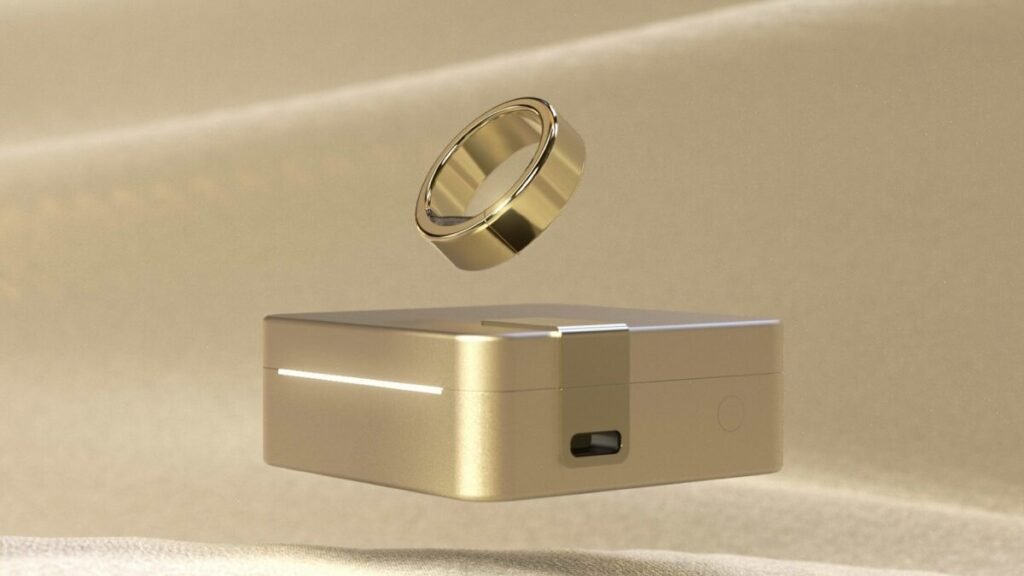
Ultrahuman, an Indian startup renowned for developing advanced smart rings, has successfully raised $70 million in a recent funding round that includes participation from Qualcomm’s venture arm. This investment signals the company’s ambition to go beyond basic sleep and health monitoring, aiming to develop a ring capable of running software directly on the device, paving the way for functionalities such as AI interactions and gaming.
The new funding values Ultrahuman at $365 million, more than tripling its previous valuation of $120 million in 2023, according to a source familiar with the matter who spoke to TechCrunch.
Qualcomm Ventures joined other investors including U.S. diagnostics giant Labcorp, Alpha Wave, Blume Ventures, Nexus Venture Partners, and Alteria Capital. The funding comprises $65 million in primary equity and $5 million in debt, said Mohit Kumar, founder and CEO of Ultrahuman, during an interview.
In collaboration with Qualcomm, Ultrahuman is developing a new version of its ring utilizing Qualcomm’s silicon chips, Kumar revealed to TechCrunch. The company currently employs chips from Nordic Semiconductor in its existing rings and plans to continue using these alongside Qualcomm’s technology. This upgrade will enhance the ring’s processing capabilities, allowing more software and algorithms to operate natively on the device, reducing dependence on smartphones or cloud services.
“Today, all rings are essentially fitness trackers,” Kumar explained. “You wear the ring, and it measures metrics like heart rate, movement, and sleep. Our vision is to evolve the ring into a computer where programs and algorithms can run locally.”
This technological leap could dramatically expand the potential applications of Ultrahuman’s rings, which are currently focused on health and sleep tracking. The company envisions allowing developers to create custom programs for the device, transforming it into a pointer or mouse, a gaming controller, a car key, and even an interface for AI interactions.
The Strategic Business Initiative
Despite its technological ambitions, Ultrahuman’s existing business continues to grow. Kumar stated that the company is currently experiencing an annual revenue run rate of approximately $140 million, showing a growth of about 45% from the previous year, with projections to reach $200 million by January 2027. To date, Ultrahuman has sold around 800,000 rings, up from roughly 700,000 in February. Additionally, about 12% of its users subscribe to PowerPlugs, the startup’s premium software features.
Founded in 2019 by Kumar and Vatsal Singhal, Ultrahuman initially launched with continuous glucose monitors aimed at helping individuals track their metabolic health. The company later pivoted to focus on smart rings, which have now become the core of its product lineup. It also expanded into blood testing and environmental sensing to develop a comprehensive health platform.
The United States remains Ultrahuman’s largest market, although the company had to cease sales of its Ring Air in the U.S. for most of the past year due to a patent dispute with rival Oura. The startup re-entered the market with its redesigned Ring Pro earlier this year. Kumar reported that demand for the new device currently exceeds supply by 18 to 20 times in the U.S.
Kumar anticipates that sales volumes will return to pre-dispute levels in the next quarter, with plans to triple sales over the following year as production ramps up. Currently, the U.S. accounts for approximately 45% of Ultrahuman’s quarterly revenue, while India contributes around 11%, he added.
The company plans to allocate part of the recent funding toward expanding its physical retail presence in markets like India and the UAE, where offline stores and direct engagement have shown to boost sales. However, this expansion, along with increased investment in clinical research and product development, may impact profitability this year. Kumar indicated that Ultrahuman may not be profitable in 2023 due to these strategic investments.

Unlike Oura, which is reportedly aiming for an IPO in September, Ultrahuman does not plan to go public in the near term. Kumar explained that the company aims to demonstrate approximately eight quarters of profitability before considering an initial public offering, a process which he estimates could take between eight and ten quarters to establish. The earliest possible timeline for an IPO, he said, is around 2028.
In the meantime, Ultrahuman is working more closely with Labcorp to deepen its integration into health and diagnostics. Kumar mentioned that the companies are exploring whether signals related to blood flow captured by the ring, when combined with blood test data, could help identify health risks related to cardiovascular health, fertility, and aging.
“By integrating longitudinal wearable data with more detailed biological signals, Ultrahuman is opening new avenues in personalized healthcare,” said Megann Vaughn Watters, Vice President and Head of Labcorp Venture Fund and Strategic Alliances.
The partnership could eventually lead to product integrations, although Kumar declined to share specifics, stating that more announcements are expected soon.