
Understanding woke AI: Analyzing the White House’s latest focus.
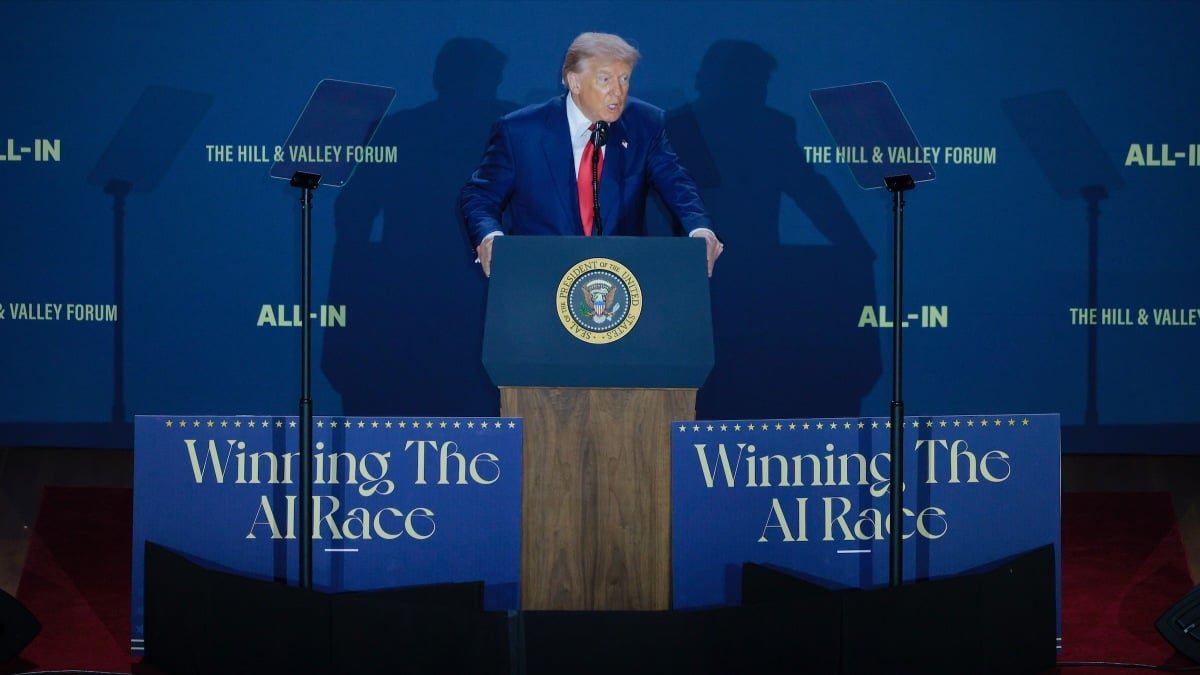
President Donald Trump has raised concerns about the impact of “woke AI” on truth and independent thought, as part of The White House’s AI Action Plan. Critics argue that the plan to combat woke AI could threaten freedom of speech and potentially violate the First Amendment. The action plan, which includes executive orders promoting American AI technology, accelerating data center infrastructure permitting, and preventing woke AI in the federal government, has sparked controversy and drawn comparisons to language used by AI leaders like Elon Musk.
What is Woke AI and how does the White House define it?
The term woke AI lacks a clear definition but is referenced in the AI Action Plan as biased AI outputs driven by ideologies like diversity, equity, and inclusion (DEI) at the expense of accuracy. The executive order specifically addresses concerns about large-language models (LLMs) not adhering to principles of truth-seeking and ideological neutrality. It identifies potential biases in AI models related to critical race theory, transgenderism, unconscious bias, intersectionality, and systemic racism, sparking debates about inherent biases in these subjects.
Critics of the action plan argue that it could restrict free speech by penalizing AI companies that do not meet the White House’s criteria. The Electronic Frontier Foundation’s Kit Walsh warns that government control over AI tools could violate the First Amendment, emphasizing the importance of protecting users’ rights to information and expressive choices. The controversy surrounding woke AI reflects broader concerns about bias in AI models and the implications for freedom of speech and access to information.
Trump Administration Targets “Woke AI” Chatbots
In November 2024, the Heritage Foundation hosted a panel discussing “woke AI,” where experts shared their perspectives. Curt Levey, President of the Committee For Justice, highlighted the concern of bias in AI. While the left focuses on discrimination against minority groups in AI decision-making, the right is concerned about bias against conservative viewpoints in large language models like ChatGPT.
Elon Musk has criticized AI models for inheriting a woke mindset, which he believes conflicts with being truth-seeking. He argues that companies are teaching AI to lie in the name of political correctness.
Levey pointed out that biases in Large Language Models (LLMs) may stem from unconscious biases of scientists who build these AI models. These scientists often reside in liberal areas like San Francisco, which may influence the data selection process.
LLMs Reflect Our Biases
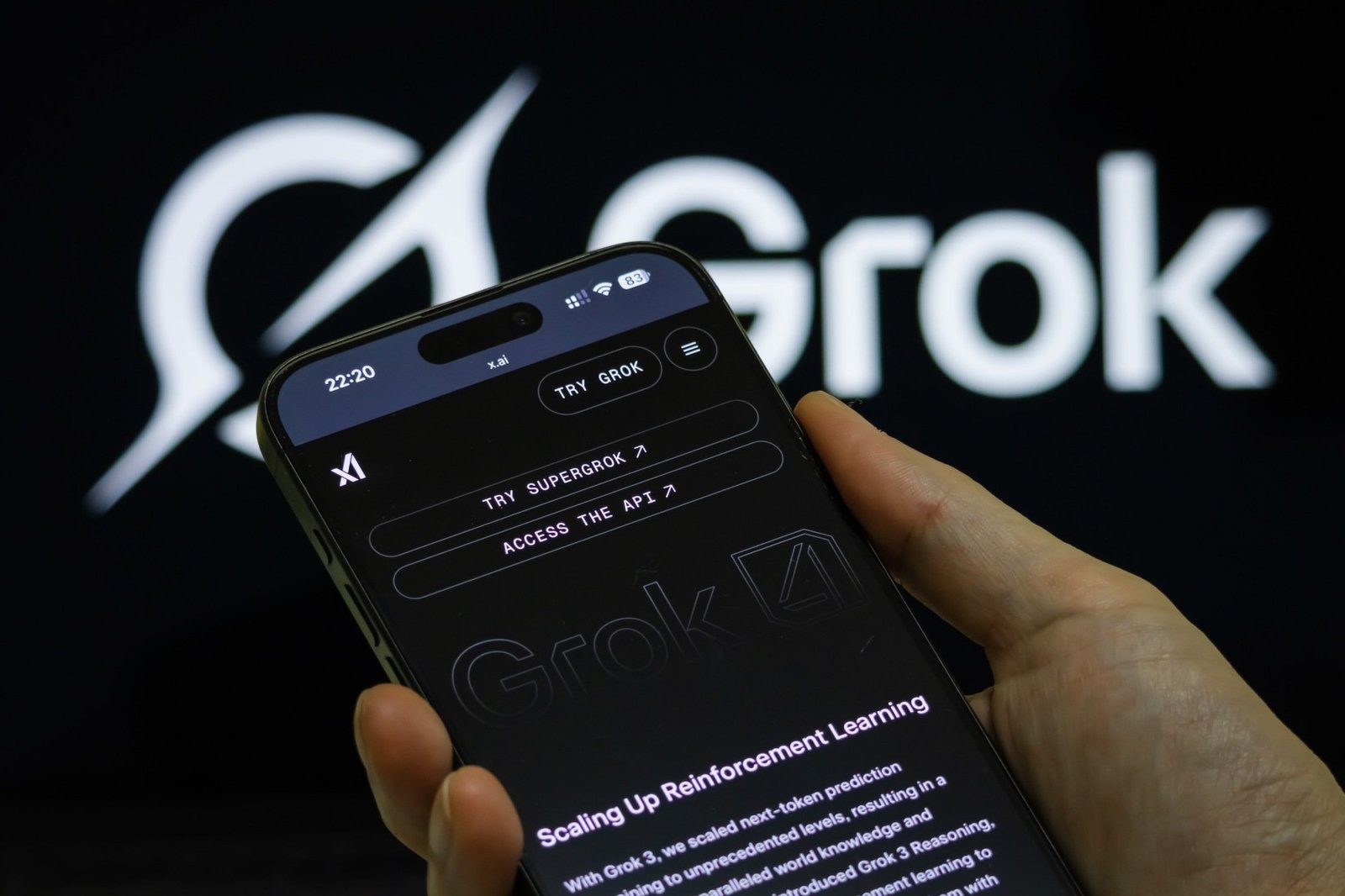
AI models mirror the biases present in their training data, reflecting society’s inherent biases back at us. To address bias, AI companies may control training data and use system prompts to calibrate outputs. However, challenges arise in implementing these solutions, as evidenced by instances like Grok’s fixation on controversial topics.
Increased transparency in disclosing training data and system prompts is advocated to prevent potential abuses in AI systems. The term “woke AI” is expected to gain more prominence in discussions on AI ethics and bias.