
‘Hanky Panky’ critique: An in-depth analysis of a whimsical stoner comedy
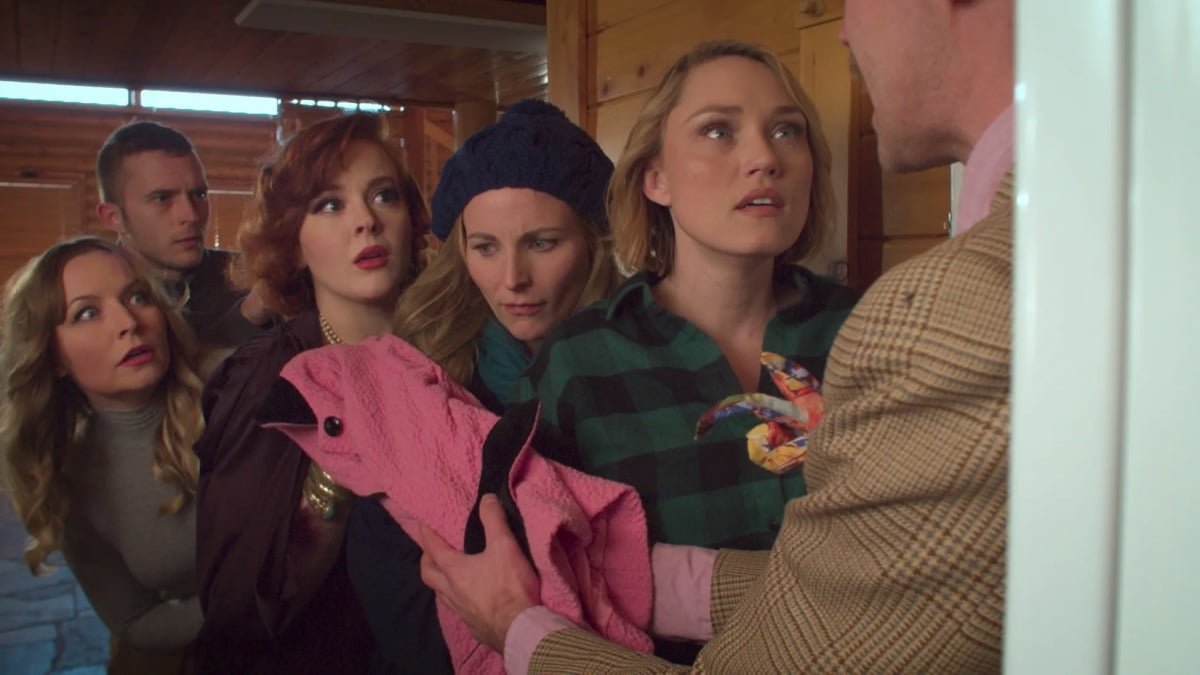
There are films so chaotic in their influences that, by all accounts, they should not work. However, through the combination of wildly disparate elements and a DIY spectacle, they manage to create a magical result. This month has brought us two such marvels. The first is Vera Drew’s deeply personal superhero parody, “The People’s Joker,” which presents a heartfelt transgender coming-of-age narrative set against the backdrop of Batman villains. The second is the gleefully absurd slasher spoof from directors Lindsey Haun and Nick Roth, titled “Hanky Panky.”
Unique Elements of “Hanky Panky”
No matter how deeply you have explored horror comedies, you can be assured that you have never encountered anything quite like “Hanky Panky.” Haun and Roth skillfully weave references from a wide range of sources, including “The Shining,” “Deliverance,” “Little Shop of Horrors,” “Men in Black,” “Doctor Sleep,” and “Clue.” This film goes beyond the standard parodies of the 2000s and offers a fresh and innovative approach to comedy.
The narrative of “Hanky Panky” unfolds on a remote snowy mountain, where a cozy cabin serves as the setting for this sensational stoner comedy. The story follows Sam, portrayed by Jacob DeMonte-Finn, who engages in conversations with his unusual best friend, Woody, a talking handkerchief voiced by Toby Bryan. The contrast in tone between Sam and Woody adds a unique layer of humor to the film.
The Divine Stupidity of “Hanky Panky”
From the outset, “Hanky Panky” establishes its understanding of horror storytelling, blending outlandish elements with the pacing of a slasher film. As the characters navigate through disappearing friends and mysterious threats, the film infuses the familiar framework with a fresh dose of silliness.
The ensemble cast of “Hanky Panky” fully embraces the absurdity of the film, delivering over-the-top performances that amplify the comedic elements. From comically awkward social interactions to heated arguments and slapstick comedy, the actors commit wholeheartedly to the zany world of the film.
Overall, “Hanky Panky” invites audiences to join in on the fun through its intersection of absurdity and commitment, creating an atmosphere reminiscent of the acclaimed Australian comedy troupe Aunty Donna. The film’s blend of humor and creativity makes it a standout in the realm of comedy cinema.
The Cultural Significance of 420
Many people are curious about the origins and significance of the term “420” and its association with cannabis culture. The history behind this ‘stoner holiday’ runs deep, with various theories and legends contributing to its widespread recognition and celebration.
An Exploration of Stoner Comedy
Stoner comedies have become a beloved genre in film and television, with iconic titles like ‘Dazed and Confused’ capturing the essence of marijuana culture. Understanding the appeal of these films can provide insights into the humor, themes, and cultural commentary that resonate with audiences.
The Appeal of Trippy Titles on Streaming Platforms
With the rise of streaming services like Netflix, viewers have access to a plethora of content, including trippy and psychedelic titles that cater to a more relaxed and introspective viewing experience. Exploring the best comedies and mind-bending films available for streaming can enhance the entertainment options for audiences seeking unique and engaging content.